Key Takeaways
• The California FAIR Plan is increasing residential dwelling rates by an average of 29.1%, with the new rates taking effect October 15, 2026.
• The change for an individual homeowner can be considerably higher or lower depending on the property and its wildfire exposure.
• California-side Lake Tahoe communities such as Tahoe City, the West Shore, Truckee, Donner, and Olympic Valley can face significant insurance challenges because of wildfire exposure.
• Insurance costs should now be investigated early in the home-buying process because premiums and coverage availability can affect affordability and financing.
• Incline Village and Crystal Bay are not affected by the California FAIR Plan because they are located in Nevada, although Nevada properties can still face higher insurance costs because of wildfire risk.
• Buyers comparing the California and Nevada sides of Lake Tahoe should evaluate the complete cost of ownership, including insurance, property taxes, income taxes, HOA fees, utilities, maintenance, and financing.
What Is the California FAIR Plan?
The California FAIR Plan is a property insurance option designed for homeowners who cannot obtain coverage through the traditional insurance market. It is often used as a last-resort option in areas with higher wildfire risk, including parts of Lake Tahoe, Truckee, and other mountain communities throughout California. The FAIR Plan provides basic property coverage, but it does not offer the same comprehensive protection as a standard homeowners insurance policy. Many homeowners need to purchase additional coverage, often called a Difference in Conditions or DIC policy, for risks and protections not included under the FAIR Plan.
As insurance companies have reduced coverage or become more selective in wildfire-prone areas, more California homeowners have turned to the FAIR Plan. For Lake Tahoe homeowners and buyers, understanding how the FAIR Plan works, what it covers, and what it costs has become an increasingly important part of evaluating the total cost of owning a home on the California side of Lake Tahoe.
California FAIR Plan Rates Are Increasing
The California Department of Insurance approved an average 29.1% rate increase for the FAIR Plan's residential dwelling program. The new rates are scheduled to apply beginning October 15, 2026. The FAIR Plan had sought a larger increase, but regulators approved the lower 29.1% average.
A homeowner should not assume that their plan's premium will automatically increase by exactly 29.1%. The actual change can vary based on the property, location, coverage, wildfire exposure, and other rating factors. Properties located in areas with significant wildfire risk can face increases well above the statewide average, while some lower-risk properties may see smaller increases or even reductions. That distinction is especially important in mountain communities such as Lake Tahoe and Truckee.
Why Is California's FAIR Plan Becoming More Expensive?
The California Department of Insurance has described the FAIR Plan as a temporary insurance safety net rather than a replacement for the traditional insurance market. State regulators have been working on reforms designed to encourage insurers to write more policies in wildfire-distressed areas. California’s insurance market has faced growing pressure from catastrophic wildfire losses, increasing rebuilding costs, reinsurance expenses, and the growing number of properties relying on the FAIR Plan.
Funding has also been an issue. Following the January 2025 Southern California wildfires, the California Insurance Commissioner approved a $1 billion assessment on FAIR Plan member insurers to help ensure the Plan had enough capital to continue paying policyholder claims. The Department of Insurance stated that the FAIR Plan needed additional funding to continue meeting its obligations. As of June 2026, the FAIR Plan reported 696,562 dwelling and commercial policies in force, a 157% increase from September 2022. Total exposure had reached approximately $768 billion.
Because of this, California regulators have been trying to move more homeowners back into the traditional insurance market. The goal is to make the FAIR Plan what it was originally intended to be, a temporary option for homeowners who cannot obtain standard coverage rather than the primary insurance solution for large portions of the state.
What Does This Mean for Lake Tahoe and Truckee Homeowners?
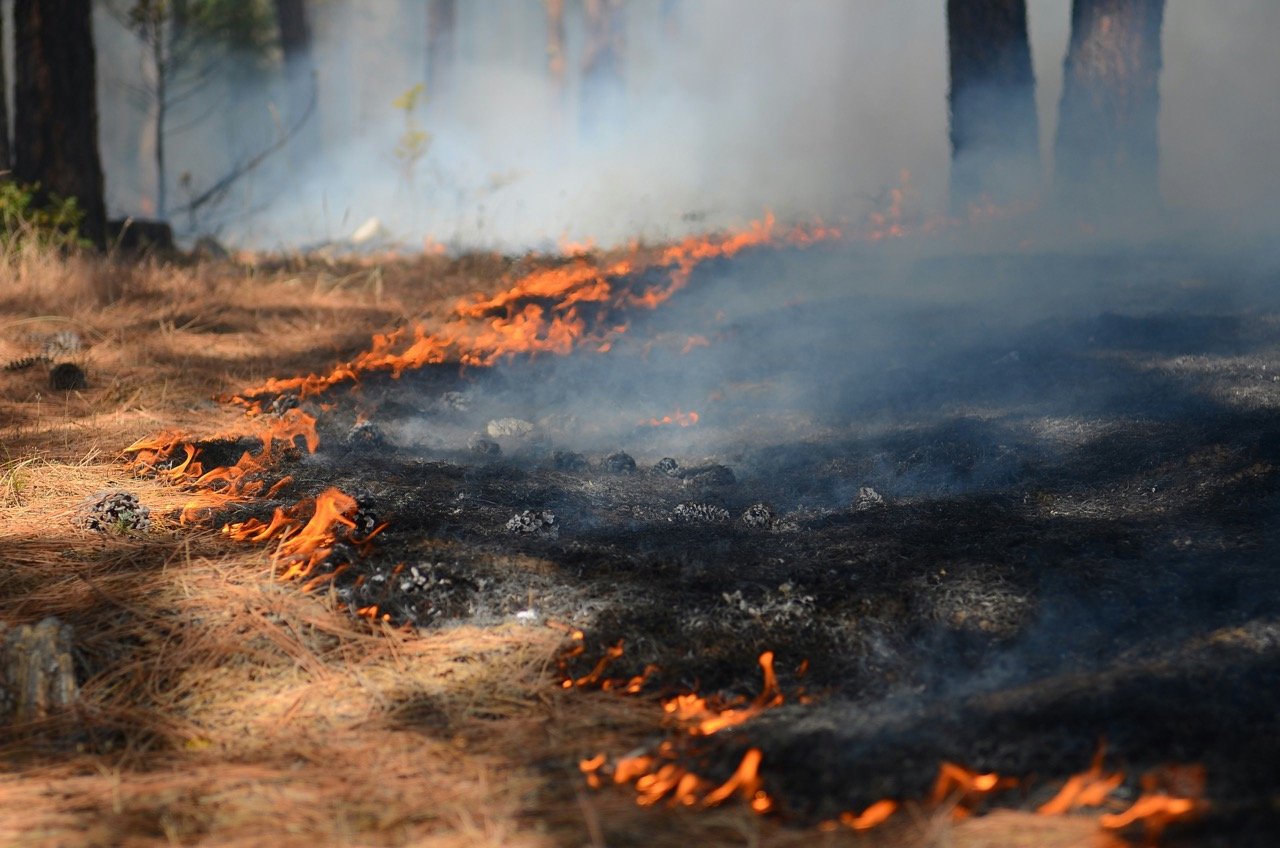
Wildfire exposure is nothing new in the Sierra Nevadas, but insurance has become a much larger part of the financial equation for owning a home here. Properties surrounded by dense vegetation, located near forested land, or situated within higher wildfire-risk areas can be more difficult and expensive to insure. For homeowners in places like Truckee, Tahoe City, Donner, Olympic Valley, the West Shore, and South Lake Tahoe, insurance should be treated as a major ownership expense rather than an afterthought.
If you currently have a FAIR Plan policy, review your renewal carefully and speak with a licensed insurance broker about your options. It can also make sense to periodically shop the traditional insurance market rather than assuming the FAIR Plan is your only available option. California's insurance market continues to change, and carrier availability can change with it.
What Buyers Need to Know Before Purchasing a California Tahoe Home
If you are buying a home in Lake Tahoe, obtaining an insurance quote should happen early in your due diligence. Do not wait until a few days before closing. Insurance can affect your total monthly housing expense and, when financing a property, your ability to satisfy lender insurance requirements. Before making a final purchasing decision, buyers should consider getting quotes for the specific property they are considering.
Two homes with similar prices and square footage can have very different insurance costs based on location, surrounding vegetation, construction, roof materials, defensible space, access, replacement cost, and wildfire exposure. This is one reason why working with a Realtor who understands Lake Tahoe's local insurance challenges can be valuable. Your agent can help you identify potential concerns early and connect you with local insurance professionals who regularly work with Tahoe properties.
Could Nevada Be an Alternative for Lake Tahoe Buyers?
One of the unique features of Lake Tahoe real estate is that buyers can choose between California and Nevada while remaining within the same general Lake Tahoe region. For buyers comparing California and Nevada, the difference extends well beyond insurance.
Incline Village and Crystal Bay are located in Nevada and are not part of the California FAIR Plan. Nevada has its own insurance market and regulatory system. That does not mean insurance is inexpensive or guaranteed on the Nevada side. Incline Village, Crystal Bay, Glenbrook, Zephyr Cove, and other Nevada communities still face wildfire exposure. Homeowners can experience higher premiums, stricter underwriting requirements, and limited carrier options depending on the property.
Tax considerations depend heavily on your individual circumstances. Owning a Nevada property by itself does not automatically establish Nevada residency or eliminate California tax obligations. Anyone considering a move for tax reasons should speak with a qualified CPA or tax attorney before making decisions. You can also read more about Nevada's tax advantages here: Tax Advantages in Nevada
Home Hardening and Defensible Space Matter
California regulators continue to emphasize wildfire mitigation as part of the state's insurance strategy. For Lake Tahoe homeowners, this means maintaining defensible space and improving a home's resistance to wildfire can have benefits beyond protecting the structure itself.
Depending on the property and insurer, improvements can include:
• Maintaining defensible space around the home
• Removing combustible vegetation and debris
• Clearing roofs and gutters
• Installing or maintaining fire-resistant roofing
• Using ember-resistant vents
• Reducing combustible materials near structures
• Maintaining decks and exterior areas
• Completing other home-hardening improvements
Homeowners should ask their insurance professional which improvements could affect eligibility, pricing, or available discounts for their specific property.
Buying or Selling Real Estate in Lake Tahoe?
Lake Tahoe is a unique real estate market because crossing the California-Nevada state line can change your insurance environment, tax structure, regulations, and overall ownership costs. If you are considering buying in Incline Village, Crystal Bay, Truckee, Tahoe City, the West Shore, South Lake Tahoe, or another Tahoe community, I can help you compare properties and understand the local factors that can affect your purchase.
For sellers, understanding today's insurance environment is also important when preparing your property for the market and addressing questions from prospective buyers. Working with an experienced Lake Tahoe and Incline Village Realtor can help you identify insurance, tax, and property-specific considerations early in your home search or sale.
Frequently Asked Questions
How much is the California FAIR Plan increasing its rates?
The California FAIR Plan's residential dwelling rates are increasing by an average of 29.1%, effective October 15, 2026. The percentage is a statewide average and does not mean every policy will increase by exactly 29.1%.
When does the 29.1% California FAIR Plan increase take effect?
The new rates are scheduled to apply to new and renewing dwelling policies beginning October 15, 2026. Homeowners should review their individual renewal information to determine how the new rates affect their property.
Will every FAIR Plan policy increase by 29.1%?
NO — The 29.1% figure represents an average. Individual changes can vary significantly based on wildfire exposure and other rating factors. Some high-risk properties can face much larger increases, while some lower-risk properties may experience smaller changes or reductions.
Does the California FAIR Plan affect Incline Village or Crystal Bay?
NO — Incline Village and Crystal Bay are located in Nevada, so the California FAIR Plan does not apply to properties in these communities. Nevada homeowners can still face wildfire-related insurance challenges, but they operate under Nevada’s insurance market rather than California’s FAIR Plan.
Is homeowners insurance less expensive in Nevada than California?
NOT NECESSARILY — Insurance pricing depends on the specific property, wildfire exposure, replacement cost, construction, mitigation measures, insurer, and available coverage. Nevada properties around Lake Tahoe still face wildfire risk. Buyers should obtain quotes for individual properties rather than assuming one state will always have lower insurance premiums.
Should I get an insurance quote before buying a Lake Tahoe home?
YES — Buyers should investigate insurance availability and pricing early in the purchasing process, especially for properties in wildfire-prone areas. An address-specific quote can give you a much clearer picture of the property's true annual carrying costs.
Can wildfire mitigation help lower insurance costs?
It can in some situations. California has adopted regulations designed to recognize wildfire mitigation measures and provide a pathway toward insurance discounts. The impact depends on the insurer and property, so homeowners should discuss specific improvements with a licensed insurance professional.