KEY TAKEAWAYS
• Best Management Practices (BMPs) are environmental improvements designed to reduce stormwater runoff and protect Lake Tahoe's famous water clarity.
• Most property owners in the Lake Tahoe Basin are required to install and maintain BMPs as part of local environmental regulations.
• BMPs can include infiltration trenches, gravel trenches, permeable paving, rain gardens, rock-lined swales, vegetation, and proper drainage systems.
• Completing BMPs can make it easier to obtain permits for future home improvements and demonstrates that a property meets important environmental standards.
• Buyers should verify whether a property's BMPs have been completed before purchasing a home, as installation costs can vary depending on the property's size and conditions.
WHY BEST MANAGEMENT PRACTICES MATTER IN LAKE TAHOE
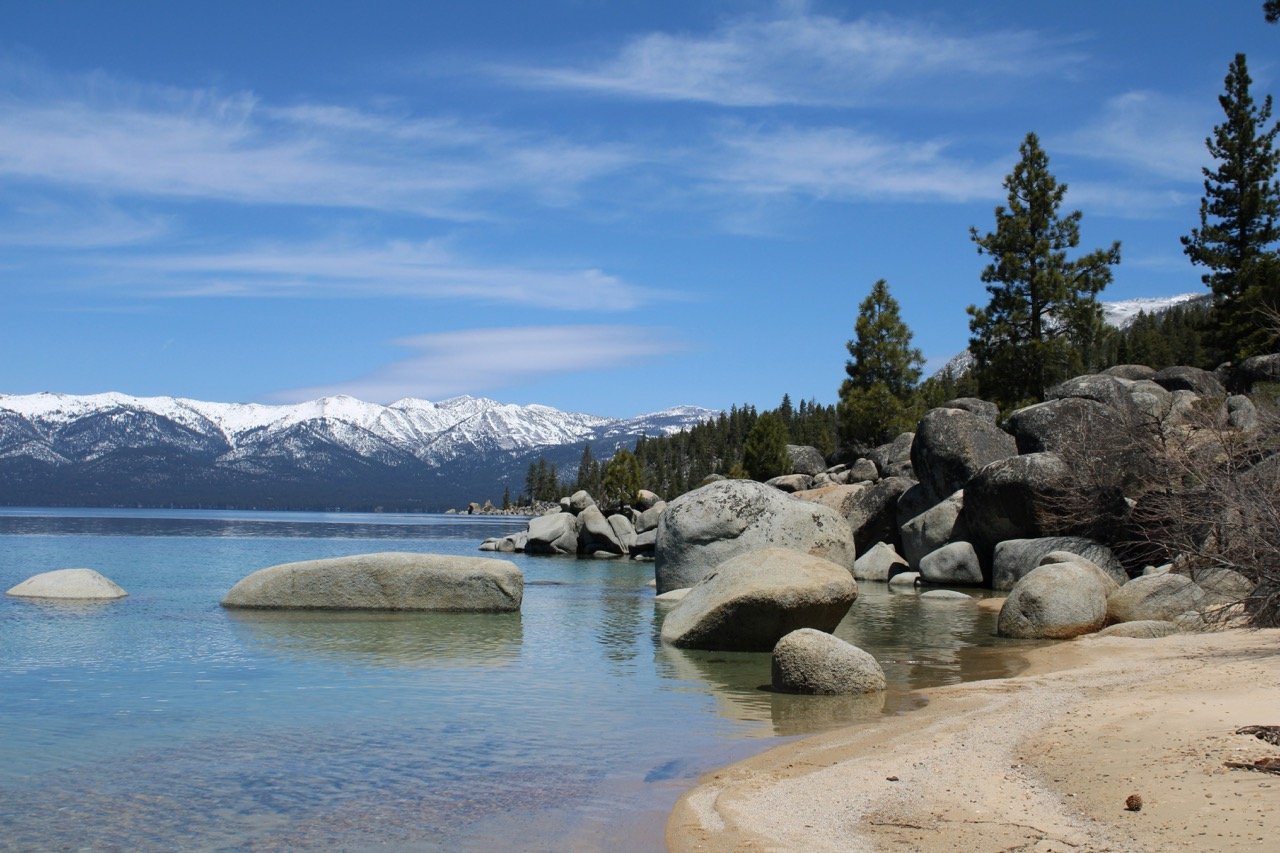
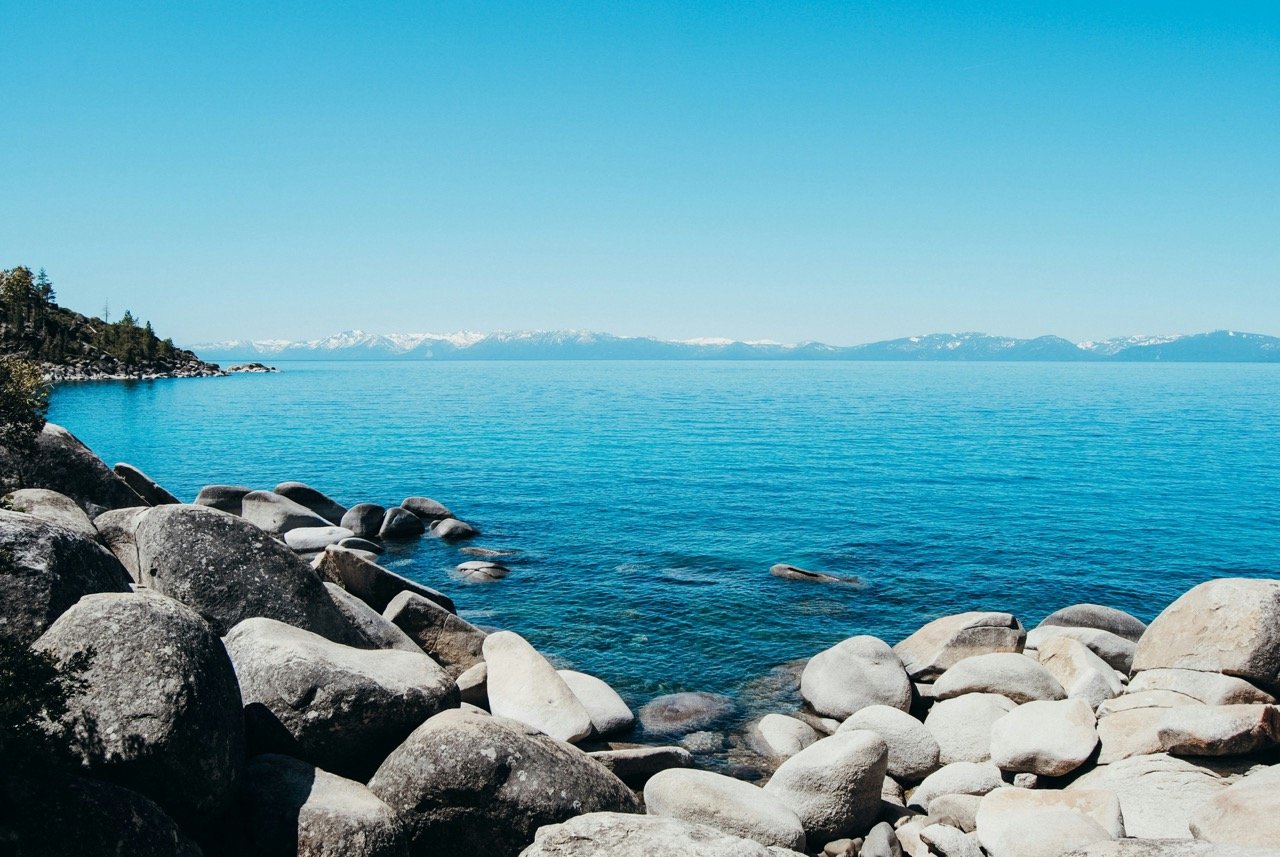
Lake Tahoe is known around the world for its exceptionally clear blue water. Protecting that clarity has become one of the region's highest priorities. One of the biggest threats to the lake is stormwater runoff, which carries fine sediment, nutrients, oils, fertilizers, and other pollutants into the watershed.
To help preserve Lake Tahoe's environment, the Tahoe Regional Planning Agency (TRPA), local counties, and water quality agencies require many property owners to install Best Management Practices, commonly called BMPs.
If you're buying, selling, or owning property in Incline Village, Crystal Bay, Tahoe City, South Lake Tahoe, Glenbrook, Zephyr Cove, or anywhere within the Lake Tahoe Basin, understanding BMP requirements is an important part of homeownership.
WHAT ARE BEST MANAGEMENT PRACTICES (BMPs)?
Best Management Practices are improvements that capture, filter, and absorb rainwater and snowmelt before it leaves your property. Instead of allowing runoff to flow directly into storm drains and eventually Lake Tahoe, BMPs slow the water down and allow it to soak naturally into the ground. This process filters out sediment and pollutants while reducing erosion.
BMPs are designed specifically for each property. No two installations are exactly alike because every lot has different slopes, soil conditions, landscaping, and drainage patterns.
WHY WERE BMPs CREATED?
For decades, scientists have found that tiny particles called fine sediments are one of the primary reasons Lake Tahoe has gradually lost some of its historic water clarity. When rain or melting snow flows across driveways, roofs, roads, and disturbed soil, it picks up these particles and carries them into nearby streams that eventually reach the lake.
BMPs were developed to:
- Reduce stormwater runoff
- Prevent erosion
- Filter pollutants before they reach the lake
- Improve groundwater infiltration
- Protect fish and wildlife habitat
- Preserve Lake Tahoe's famous clarity for future generations
Every completed BMP project contributes to improving the health of the entire watershed.
WHO NEEDS BMPs?
Most developed residential and commercial properties within the Lake Tahoe Basin are expected to have BMPs installed.
Requirements vary depending on:
- Property location
- Lot size
- Existing drainage conditions
- Age of the home
- Previous improvements
- Local jurisdiction
Older homes often require additional improvements because they were built before current environmental regulations existed. Newer homes frequently include BMPs as part of the original construction.
COMMON TYPES OF BMPs FOUND ON LAKE TAHOE PROPERTIES
INFILTRATION TRENCHES
These underground gravel-filled trenches collect runoff from roofs and paved surfaces, allowing water to slowly soak into the surrounding soil instead of flowing downhill.
ROCK-LINED SWALES
Swales are shallow drainage channels that safely direct stormwater while slowing its movement and reducing erosion.
PERMEABLE PAVERS
Unlike traditional concrete or asphalt, permeable pavers allow water to pass through joints into the soil below. These are commonly used for driveways, walkways, and patios
RAIN GARDENS
Rain gardens use native plants and specially prepared soil to capture runoff while naturally filtering pollutants. They also add attractive landscaping to many homes.
GRAVEL DRIP LINES
Roof gutters often discharge into gravel drip lines that disperse water evenly and reduce concentrated runoff.
VEGETATION AND NATIVE LANDSCAPING
Healthy vegetation stabilizes soil, absorbs water, and helps prevent erosion. Native plants also generally require less irrigation while supporting local ecosystems.
STABILIZED SLOPES
Properties on hillsides often require retaining walls, erosion control blankets, or other stabilization methods to reduce soil movement during heavy rain and snowmelt.
WHY ARE BMPs IMPORTANT FOR HOMEOWNERS?
Installing BMPs is more than simply meeting environmental regulations. They also provide practical benefits for homeowners.
Proper drainage can help reduce:
- Standing water
- Soil erosion
- Flooding around foundations
- Ice buildup during winter
- Damage to landscaping
- Washouts after heavy storms
Well-designed BMPs often improve the overall appearance and long-term health of a property.
BMP CERTIFICATES
After required BMPs have been properly installed and inspected, property owners may receive a BMP Certificate or documentation showing the property has met applicable water quality requirements. Many buyers appreciate purchasing a home with completed BMPs because it reduces the likelihood of needing additional environmental improvements after closing.
HOW BMPs CAN AFFECT BUYING OR SELLING A HOME
BMP compliance can become part of a real estate transaction. For buyers, it's important to understand whether improvements have already been completed or if additional work may be required after purchasing the property. For sellers, completing BMP improvements before listing a home can remove a potential concern for buyers and demonstrate that the property has been well maintained.
Although BMPs rarely determine whether a sale occurs, having completed documentation can provide buyers with added confidence.
HOW MUCH DO BMPS COST?
Costs vary significantly depending on the property's size, slope, drainage issues, and existing improvements. Some homes may only require minor drainage improvements, while others with steep terrain or older infrastructure could require more extensive work.
Factors affecting cost include:
- Property size
- Amount of impervious coverage
- Existing drainage systems
- Soil conditions
- Accessibility
- Engineering requirements
- Landscaping needs
Obtaining estimates from qualified local contractors is the best way to understand the cost for a specific property.
MAINTAINING YOUR BMPS
Homeowners should maintain their BMPs by:
- Cleaning gutters regularly
- Removing accumulated sediment
- Keeping drainage paths clear
- Replacing damaged vegetation
- Inspecting drainage systems after major storms
- Repairing erosion as needed
Routine maintenance helps BMPs continue functioning effectively for many years.
WHAT BUYERS SHOULD ASK BEFORE PURCHASING A HOME
If you're considering purchasing property around Lake Tahoe, ask your real estate agent or the seller:
- Have BMPs been completed?
- Is there documentation showing BMP compliance?
- Have any drainage improvements been added recently?
- Are there any outstanding water quality requirements?
- Have permits been obtained for previous improvements?
- Are there any drainage or erosion issues on the property?
Understanding these items before closing can help avoid unexpected expenses later. You can also check the BMP status on a property by clicking on this link HERE.
WHY BMPs MATTER FOR THE FUTURE OF LAKE TAHOE
Lake Tahoe's environment is one of the primary reasons people choose to live here. The region's clean water, mountain scenery, outdoor recreation, and natural beauty depend on ongoing environmental stewardship.
While installing BMPs requires an investment, these improvements play an important role in preserving the lake for future residents and visitors. Every property that captures stormwater instead of allowing it to flow directly into the watershed helps protect one of America's most iconic alpine lakes.
Whether you're purchasing your first Lake Tahoe home, investing in a vacation property, or preparing to sell, understanding BMP requirements is an important part of owning real estate in the Tahoe Basin.
FREQUENTLY ASKED QUESTIONS
ARE BMPs REQUIRED FOR EVERY PROPERTY IN LAKE TAHOE?
YES — Most developed properties within the Lake Tahoe Basin are expected to meet applicable BMP requirements, although the specific improvements vary by property, jurisdiction, and site conditions.
CAN I BUY A HOME IF THE BMPs HAVE NOT BEEN COMPLETED?
YES — Many homes are sold before BMP improvements are completed. Buyers should understand what work may still be needed and factor those costs into their purchase decision.
DO BMPs REQUIRE PERMITS?
DEPENDS — Some BMP projects can be completed without extensive permitting, while larger drainage improvements or projects tied to other construction may require permits or agency review. Requirements depend on the scope of work and local regulations.
WILL BMPs INCREASE MY PROPERTY VALUES?
NOT USUALLY — BMPs generally do not create a direct increase in market value like a kitchen remodel. They can make a property more attractive to buyers by demonstrating compliance with environmental requirements, reducing future maintenance concerns, and simplifying future permitting.
HOW CAN I CHECK IF A PROPERTY HAS COMPLETED BMPs?
Property owners can often provide documentation, and buyers can verify compliance through the appropriate local agencies or by working with a knowledgeable Lake Tahoe real estate professional during the due diligence period. You can also check right HERE.
FINAL THOUGHTS
Best Management Practices are a unique part of owning real estate in Lake Tahoe. While they may seem unfamiliar to buyers relocating from other areas, they play a critical role in protecting the lake's legendary clarity and preserving the region's natural beauty. Understanding BMP requirements before you buy can help you avoid surprises, plan for future improvements, and make a more informed investment in one of the country's most desirable mountain communities. If you are looking to move to Lake Tahoe, reach out to Hunter Platte to get started on your search.