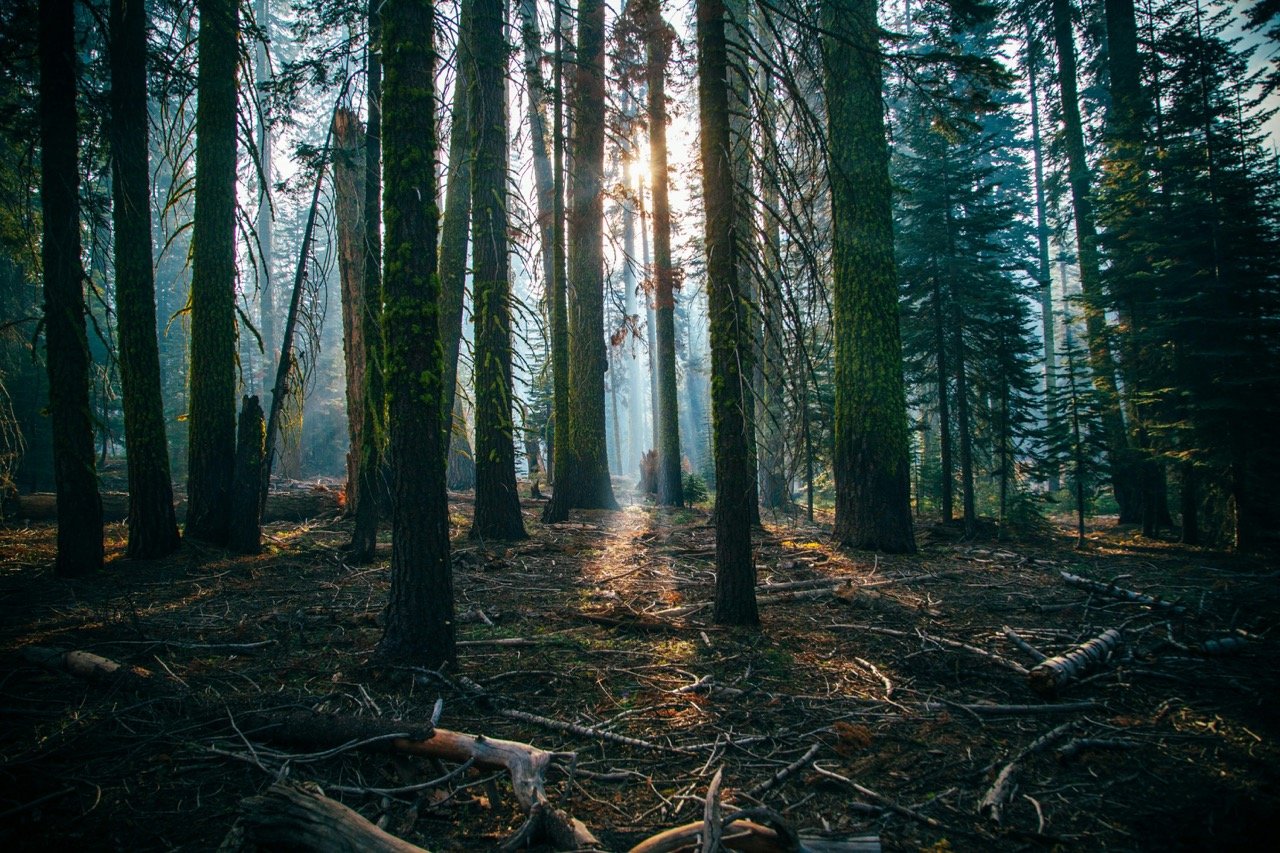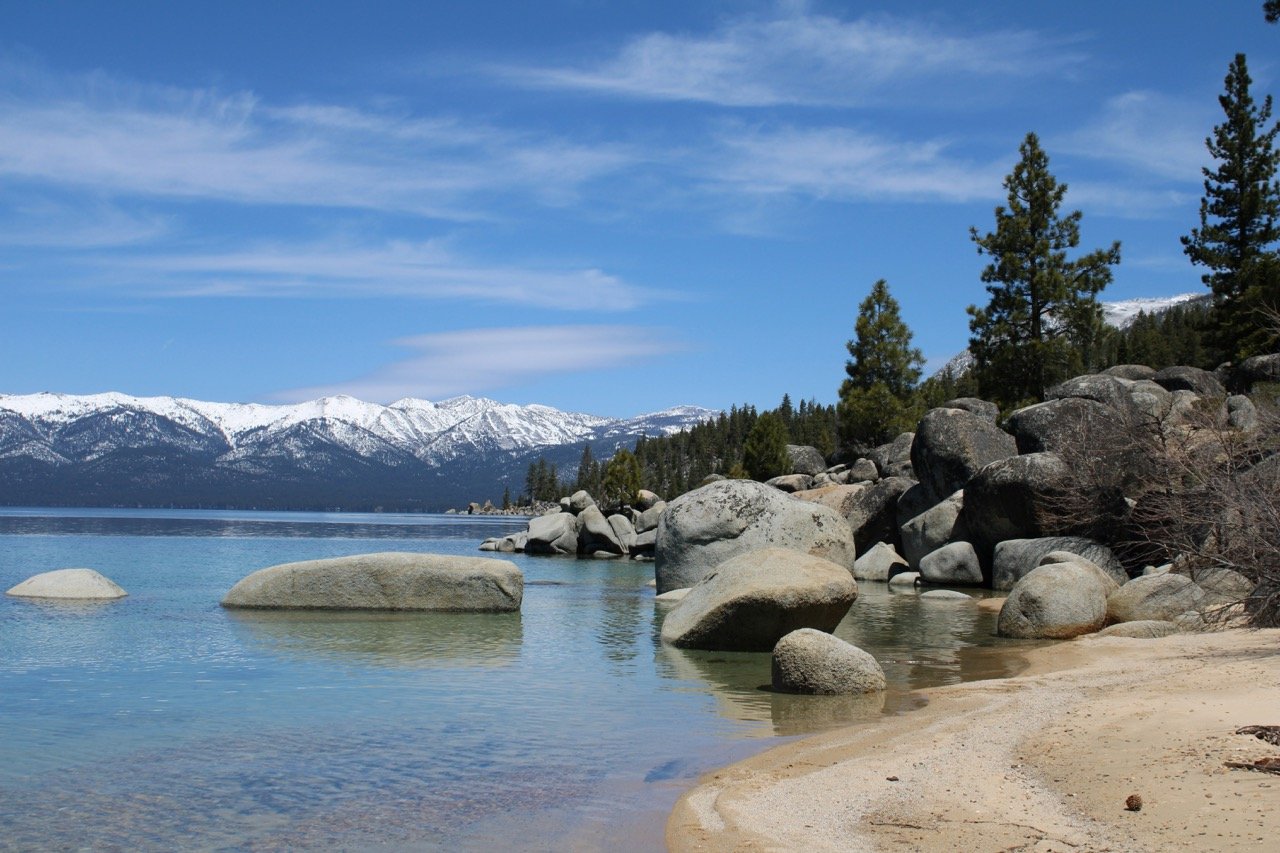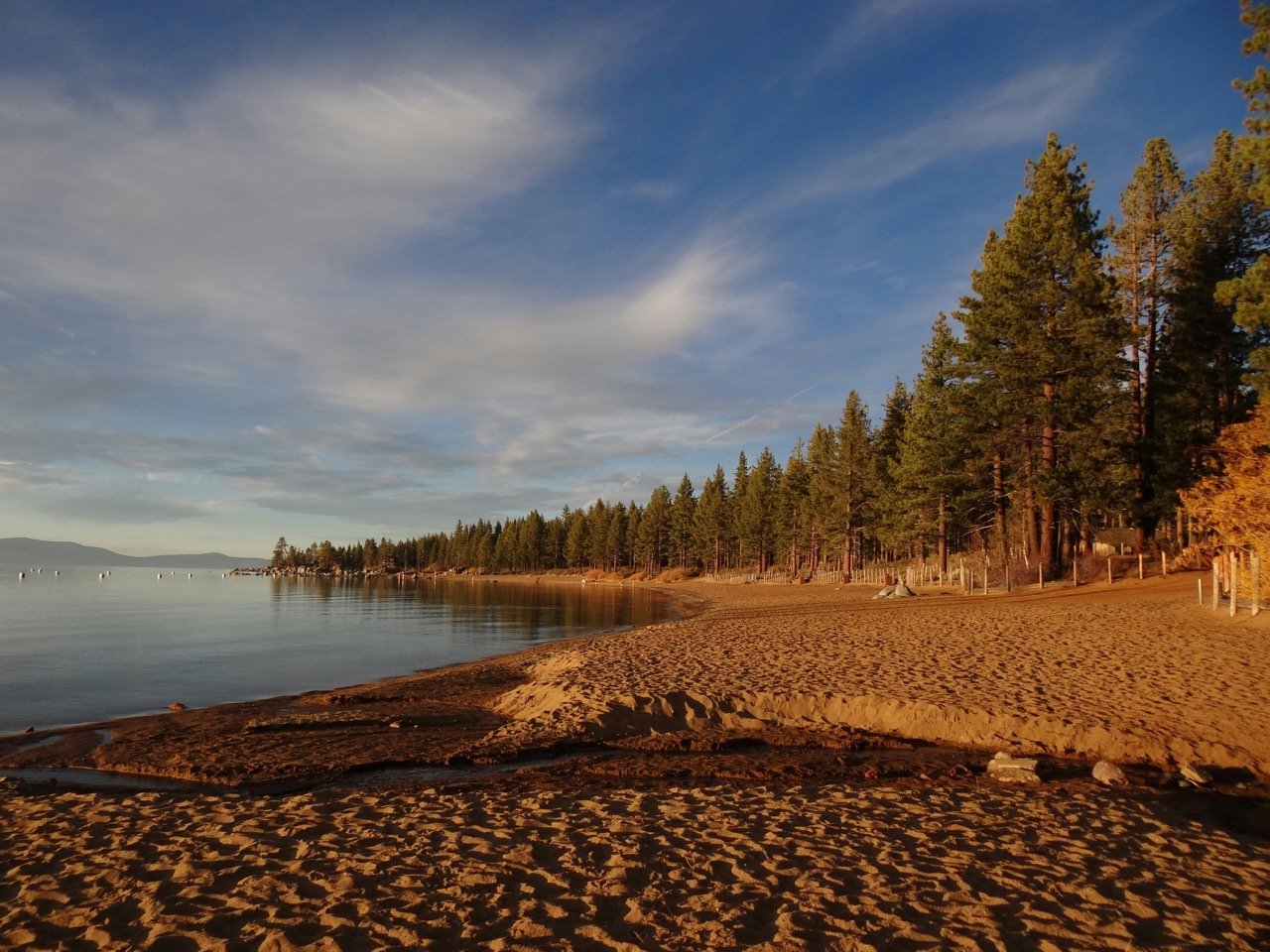
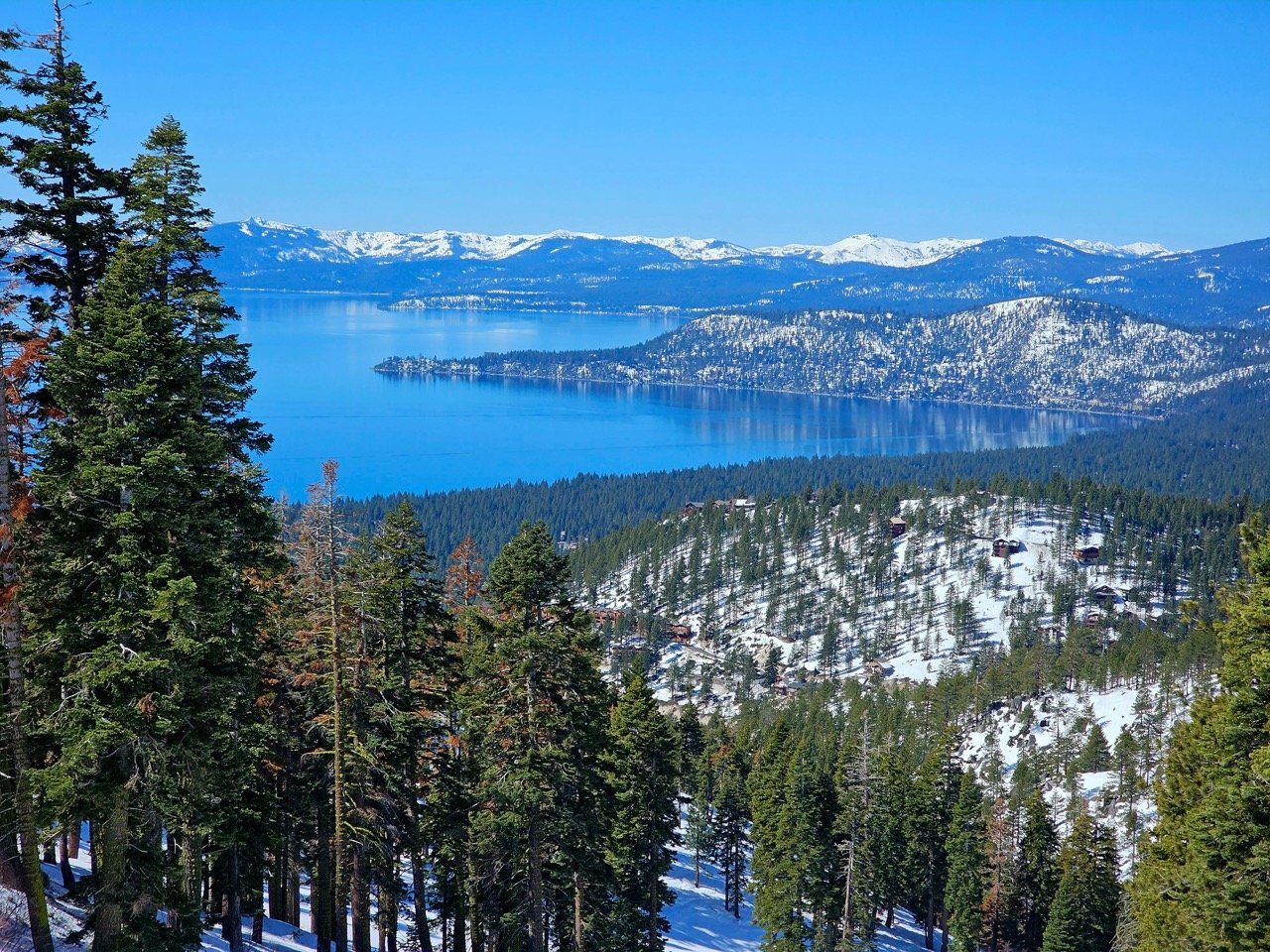
Lake Tahoe is known for its beautiful scenery, four distinct seasons, and year-round outdoor recreation. From snowy winters and warm summer afternoons to colorful fall foliage and unpredictable spring storms, the region offers a unique mountain climate that attracts homeowners, vacationers, and real estate investors.
Whether you're planning to relocate permanently or purchase a second home, here's what you should know about Lake Tahoe's weather throughout the year and how it can affect your real estate decisions.
Key Takeaways
- Lake Tahoe experiences four distinct seasons, with snowy winters, mild springs, warm summers, and cool autumns.
- Winter temperatures commonly range from the teens to the 40’s°, while summer afternoons often reach the 70’s and 80’s° near lake level.
- Elevation, sun exposure, and overall location can create noticeable weather differences between Incline Village, South Lake Tahoe, Truckee, and other communities.
- Snow removal, roof maintenance, insulation, heating systems, and property accessibility are important considerations for Lake Tahoe homeowners.
- Seasonal weather influences vacation rental demand, with winter ski tourism and summer lake activities attracting visitors.
Understanding Lake Tahoe's Climate and Weather Patterns
Lake Tahoe sits at approximately 6,225 feet above sea level and is surrounded by the Sierra Nevada mountains. This elevation creates a high-altitude climate with significant temperature changes between day and night, substantial winter snowfall, and relatively dry summers. Unlike many lower-elevation communities in California and Nevada, Lake Tahoe experiences colder overnight temperatures throughout the year. Even during July and August, when daytime temperatures can reach the 80's°, night-time temperatures can fall into the 40’s°.
The region also experiences considerable differences in snowfall and precipitation depending on elevation, mountain exposure, and how close you are to the lake. Homes located higher in the mountains can experience colder temperatures and significantly more snowfall than properties closer to the shoreline.
Average Monthly Temperatures in Lake Tahoe
The following figures represent average daily highs and lows recorded at South Lake Tahoe Airport using NOAA's 1991–2020 climate normals. Actual conditions vary throughout the Lake Tahoe Basin:
Month | Average High | Average Low |
January | 43°F | 18°F |
February | 43°F | 19°F |
March | 48°F | 24°F |
April | 53°F | 28°F |
May | 62°F | 33°F |
June | 72°F | 38°F |
July | 80°F | 43°F |
August | 80°F | 41°F |
September | 73°F | 35°F |
October | 62°F | 29°F |
November | 51°F | 23°F |
December | 43°F | 18°F |
Winter in Lake Tahoe (December - March)
Winter is one of Lake Tahoe's most recognizable seasons bringing heavy snowfall, freezing temperatures, and some of the best skiing and snowboarding opportunities in the western United States. Daytime temperatures near lake level generally range from the 30’s° to low 40’s° while night-time temperatures frequently fall into the teens and 20’s°. During particularly cold storms, temperatures can drop below zero but not often.
Snowfall varies considerably throughout the region. Communities close to the lake generally receive less snow than higher-elevation neighborhoods and surrounding ski resorts. Major winter storms can deliver several feet of snow over a relatively short period, occasionally disrupting travel and daily activities. Winter is especially attractive for homeowners who enjoy skiing at Diamond Peak, Mt. Rose Ski Tahoe, Palisades Tahoe, and other nearby mountain resorts.
What Winter Means for Lake Tahoe Homeowners
Winter weather is one of the most important considerations when purchasing property in Lake Tahoe. Heavy snowfall can create additional maintenance responsibilities and expenses, especially for homeowners who live elsewhere for much of the year.
Buyers should pay particular attention to roof design and snow-load capacity, driveway slope, road accessibility, snow removal arrangements, and heating efficiency. Homes with steep driveways or limited winter access can become more challenging to maintain during major storms.
Ice dams, frozen pipes, and snow accumulation around decks and entryways can also create problems when properties are left unattended. For buyers considering a second home, a professional property management service or reliable local maintenance contact can help monitor the property during extended absences.
Spring in Lake Tahoe (April - June)
Spring in Lake Tahoe is a transitional season that can feel considerably different from spring in lower-elevation areas. April often brings a combination of sunny afternoons, cold mornings, and occasional snowstorms. By May, temperatures generally become more comfortable, although freezing night-time conditions remain common.
June typically marks the beginning of warmer weather with daytime temperatures frequently reaching the 60’s and 70’s°. Higher-elevation trails and mountain passes may still have lingering snow especially following winters with above-average snowfall. Spring also brings snowmelt, rising streamflows, and changing road conditions. As the snowpack melts, some properties may experience saturated soil, drainage issues, or temporary standing water.
What Spring Means for Lake Tahoe Homeowners
Spring provides an opportunity to assess how a property performed during the winter months. Buyers and homeowners should evaluate drainage systems, grading, retaining walls, foundations, and any signs of moisture intrusion caused by melting snow. Properties with poor drainage or improperly directed roof runoff can experience water accumulation near foundations, which may eventually lead to costly repairs.
Spring is also an important time to inspect roofs, gutters, decks, and exterior structures for winter-related damage. For buyers, viewing a home during the spring thaw can reveal maintenance concerns that may be less noticeable during the summer.
Summer in Lake Tahoe (June - August)
Summer is one of Lake Tahoe's most popular seasons attracting visitors and homeowners who enjoy boating, swimming, hiking, mountain biking, and other outdoor activities. Daytime temperatures commonly reach the mid-70s to low 80’s° near lake level with occasional hotter periods. Despite the warm afternoons, evenings are typically much cooler making outdoor dining and night-time activities comfortable.
The region generally experiences relatively low humidity and limited summer precipitation compared with many other parts of the country. Lake Tahoe's high elevation also means stronger ultraviolet exposure, making sun protection particularly important during extended outdoor activities. While summer weather is generally predictable, afternoon thunderstorms can develop over the surrounding mountains bringing lightning, brief heavy rainfall, and wind gusts.
What Summer Means for Lake Tahoe Homeowners
Summer is an important season for Lake Tahoe real estate, particularly for buyers interested in lakefront homes, vacation properties, and outdoor living spaces. Properties with lake views, spacious decks, outdoor kitchens, and convenient access to beaches or boating facilities can be especially appealing to summer-oriented buyers.
Although many Lake Tahoe homes were historically built without central air conditioning, warmer summer temperatures have made cooling options increasingly relevant. Buyers should evaluate insulation, ventilation, window exposure, and existing cooling systems.
Another important consideration is wildfire season. Dry summer conditions can increase wildfire risk throughout the Sierra Nevada’s while smoke from regional fires can occasionally affect air quality and visibility. Homeowners should maintain defensible space, manage vegetation, and review wildfire insurance coverage before purchasing a property.
Fall in Lake Tahoe (September - November)
Fall is one of Lake Tahoe's quieter seasons offering cooler temperatures, changing colors, and fewer visitors compared with the peak summer months. September often feels like an extension of summer with sunny afternoons and daytime temperatures reaching the 70’s°. By October, temperatures generally drop into the 50’s and 60’s° with night-time freezing conditions become increasingly common. November brings colder temperatures and the possibility of substantial early-season snowfall.
Aspen trees throughout the region begin turning yellow and gold during the fall, creating colorful scenery around areas such as Hope Valley, Spooner Lake, and the surrounding Lake Tahoe communities. For full-time residents, fall offers a quieter period between the busy summer tourism season and the arrival of winter visitors. There is a reason why people that live here consider fall to be “Local’s Summer”.
What Fall Means for Lake Tahoe Homeowners
Fall is one of the most important periods for preparing a Lake Tahoe property for winter. Homeowners should inspect heating systems, clean gutters, protect outdoor plumbing, service fireplaces and chimneys, and arrange snow removal services before the first major storm. Buyers purchasing during the fall should also consider how the property's location and surrounding trees affect sunlight exposure during the winter months.
South-facing properties often receive more direct sunlight, which can help melt snow and ice on driveways and walkways. North-facing properties may retain snow longer and experience colder conditions. Fall can also present opportunities for real estate buyers as some sellers become more motivated before winter. However, inventory and negotiating conditions vary by neighborhood, property type, and market conditions.
How Weather Varies Around Lake Tahoe
Although Lake Tahoe is one geographic region, weather conditions can differ significantly between communities.
Incline Village and Crystal Bay
Located on the Nevada side of Lake Tahoe's North Shore, Incline Village and Crystal Bay experience cold, snowy winters and generally comfortable summers. Properties closer to the lake may experience milder conditions than homes situated higher along the mountainside. Neighborhoods at higher elevations can receive considerably more snow and may require additional winter maintenance. Sun exposure also varies significantly between properties, making orientation an important consideration for buyers.
Tahoe City and the West Shore
The West Shore of Lake Tahoe often receives substantial snowfall because Pacific storms encounter the Sierra Nevada mountains as they move inland. Communities such as Homewood, Tahoma, and parts of Tahoe City can experience significant winter snow accumulation. For buyers considering West Shore properties, roof snow management, road access, and seasonal sunlight exposure should be considered.
South Lake Tahoe and Stateline
South Lake Tahoe and Stateline generally experience warm summer afternoons and cold winter nights. The South Shore's relatively broad, developed areas offer a mix of residential neighborhoods, vacation properties, and recreational destinations. Weather conditions can vary between properties near lake level and neighborhoods closer to the surrounding mountains.
Truckee and Higher-Elevation Communities
Truckee sits north of Lake Tahoe and has its own mountain climate. Cold air can settle into the Truckee basin, creating particularly cold overnight temperatures during winter. Higher-elevation communities near Northstar and Donner Summit can also experience substantial snowfall. Buyers considering Truckee properties should carefully evaluate winter accessibility, heating costs, and snow removal responsibilities.
What Is the Best Time of Year to Buy a Home in Lake Tahoe?
There is no single best season to purchase real estate in Lake Tahoe. The ideal time depends on your priorities, property preferences, and market conditions.
Spring and summer generally provide easier access to properties and allow buyers to evaluate outdoor spaces, landscaping, views, and neighborhood amenities. Fall may offer opportunities to negotiate with sellers who prefer to close before winter, although desirable properties can remain competitive throughout the year. Winter gives buyers an opportunity to evaluate how a property performs during snowstorms, including driveway accessibility, heating efficiency, and snow accumulation.
For buyers planning to live in Lake Tahoe year-round, visiting a property during more than one season can provide valuable insight into the ownership experience.
Find the Right Lake Tahoe Home for Every Season
Understanding Lake Tahoe's weather patterns is an important part of choosing the right property. From winter accessibility and snow removal to summer recreation and wildfire preparation, each season presents different considerations for homeowners. Whether you're looking for a lakefront estate, mountain retreat, vacation property, or primary residence, working with a knowledgeable local real estate professional can help you identify homes that fit your lifestyle and long-term goals.
As a local Incline Village and Lake Tahoe Realtor, I help buyers evaluate properties beyond their appearance, including location, accessibility, maintenance requirements, and year-round livability. Contact Hunter Platte to learn more about buying or selling real estate in Incline Village, Crystal Bay, and the surrounding Lake Tahoe communities.
Frequently Asked Questions
Does Lake Tahoe get snow every winter?
YES — Lake Tahoe regularly receives snowfall during winter, although the amount varies considerably from year to year. Higher-elevation neighborhoods and ski resorts generally receive more snow than properties closer to lake level.
What is the warmest month in Lake Tahoe?
July is typically the warmest month, with average daytime highs near 80°F in South Lake Tahoe. August has similarly warm temperatures.
What is the coldest month in Lake Tahoe?
December and January are generally among the coldest months with average night-time temperatures near 18°F in South Lake Tahoe. Temperatures can fall much lower during cold weather events.
Does Lake Tahoe get hot during the summer?
YES — Lake Tahoe can experience temperatures in the 80's and occasionally the 90's° during summer. However, cooler overnight temperatures and relatively low humidity often make the climate more comfortable than lower-elevation communities.
Do you need air conditioning in Lake Tahoe?
Not every Lake Tahoe home has air conditioning. Many older properties rely on natural ventilation and cool nighttime temperatures. However, buyers who prefer consistent indoor temperatures may benefit from central air conditioning, ductless mini-splits, or other cooling systems.
What are the biggest weather-related expenses for Lake Tahoe homeowners?
Common expenses include snow removal, heating, roof maintenance, drainage improvements, exterior repairs, and wildfire mitigation. Actual costs depend on the property's size, location, construction, and maintenance needs.
Is Lake Tahoe a good place to live year-round?
Lake Tahoe can be an excellent place for year-round residents who enjoy outdoor recreation and distinct seasonal changes. Buyers should be comfortable with winter driving, snow removal, colder temperatures, and the maintenance responsibilities associated with mountain properties.